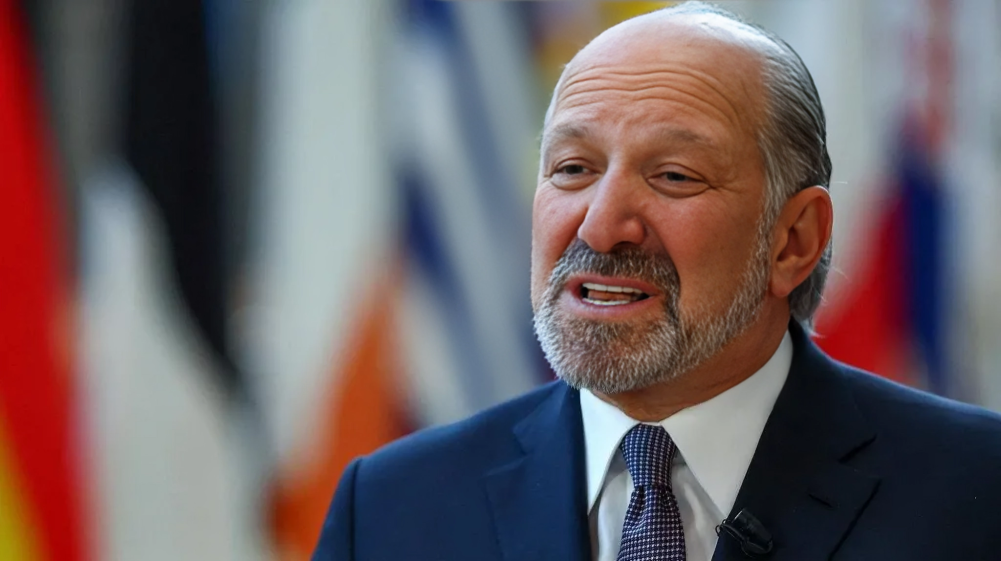
The United States is pressing European leaders to soften their regulations on major technology firms as a condition for securing reduced tariffs on steel and aluminium exports, US Commerce Secretary Howard Lutnick has said.
His remarks come as senior officials from Washington and Brussels meet in the Belgian capital to review the status of the transatlantic trade framework agreed in July. That agreement offered the EU a partial reprieve from steep American tariffs—setting the rate at 15% rather than higher levels previously threatened—in return for pledges of European investment and increased market access for US agricultural exports.
However, the two sides remain divided on key elements of the arrangement. European negotiators had expected more generous relief for their metals sector, but US duties remain at 50% and have recently been expanded to include additional categories of goods.
The EU is also seeking exemptions for products such as wine, cheese, and pasta—similar to the tariff relief the Trump administration granted earlier this year for tropical fruit and coffee. These demands reflect growing frustration within the bloc over what it sees as an unbalanced deal.
Providing an update to reporters, US Trade Representative Jamieson Greer stressed that Washington expects Europe to honour its commitments to reduce tariffs on American goods before any concessions on metals can be made. Both Greer and Lutnick highlighted digital regulation as a central point of contention.
“They want steel and aluminium included in this package,” Lutnick told Bloomberg Television. “We believe it is very important that they reassess their digital regulations and make them more welcoming to our major technology companies.”
The US has long argued that European digital services taxes—levies typically imposed on revenue from large streaming and digital advertising companies—disproportionately target American firms. Washington is also critical of Europe’s Digital Markets Act (DMA), introduced last year, which imposes competition rules on dominant tech platforms. Among other provisions, the DMA is expected to require Apple to open its ecosystem to greater interoperability with non-Apple devices.
With Donald Trump’s return to office, many US tech firms had anticipated that his administration would take a more assertive stance on challenging EU digital policy, contrasting with the Biden administration’s more hands-off approach.
European officials, however, insist their digital framework is non-negotiable. Speaking after Monday’s discussions, European Trade Commissioner Maroš Šefčovič reiterated the EU’s refusal to water down its regulations.
“This is not discriminatory. It is not aimed at American companies,” Šefčovič said, underscoring Europe’s commitment to preserving its digital regulatory regime.
As negotiations continue, the transatlantic partners face a delicate balancing act: securing economic cooperation whilst navigating deep disagreements over tech governance and trade protections.